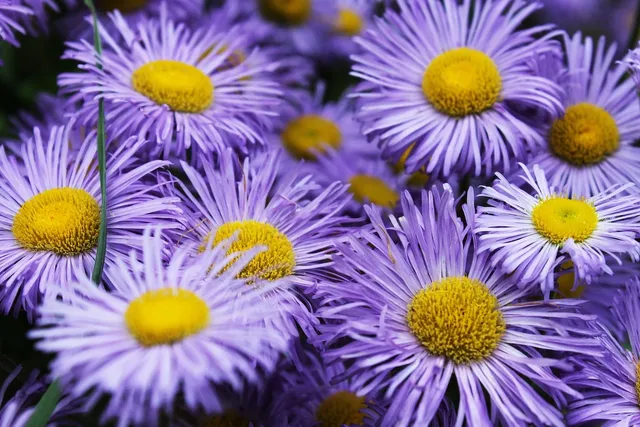
As a follow-up to my 2009 guest post on Gen Y gardeners, I've invented a new one: Generation G. Visit me at Garden Rant to read more.
Susan
 Subscribe in a reader


« April 2011 | Main | June 2011 »
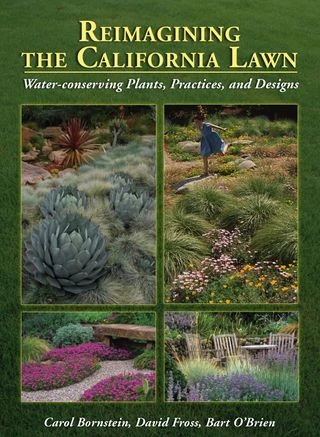
For those considering getting rid of their lawn, two things often stand in the way: imagination and horticultural know-how. Reimagining the California Lawn:Water-conserving Plants, Practices, and Designs by Carol Bornstein, David Fross and Bart O'Brien from Cachuma Press addresses both.
As a residential landscape designer, I’m finding more and more clients open to the idea of eliminating or at least reducing their turf grass. When the discussion turns to what to do instead, however, I’m often met with a blank stare. Because most of us grew up with a traditional landscape centered around a lawn, it can be overwhelming for even the most sustainably-minded soul to envision an alternative. That’s good news for the garden design profession (cue Snidley Whiplash moustache twirling), but bad news for the vast majority of gardeners who prefer to do things on their own. Reimagining the California Lawn is a great place to start, as it provides a range of options, from greenswards, (defined as “a sweep of…grasslike plants that provides a surface accessible to varying degrees of foot traffic"), to kitchen gardens to the tapestry gardens popular in many sloped East Bay front yards.
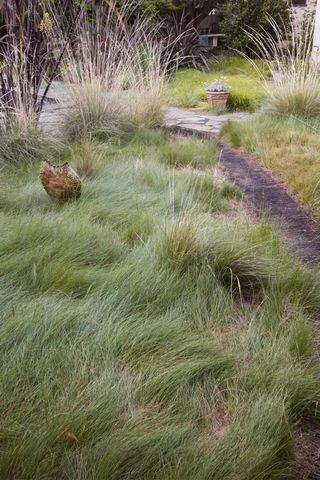
Greensward
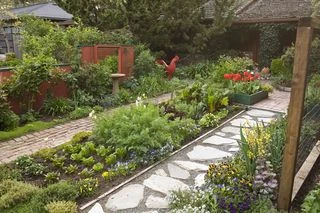
's kitchen garden
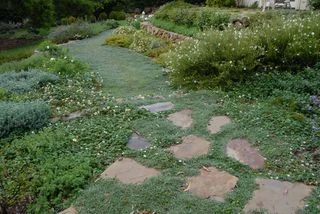
Tapestry Garden
The book includes in-depth information that goes beyond plant design, such as advice on integrating hardscape and instructions on removing an existing lawn. Detailed plant lists are incorporated throughout. For those of you who find inspiration in pictures more than in words, you’ll be happy to know that photographs are plentiful.
The second challenge is horticultural know-how. You might be all set to turn your lawn into a low-water paradise, but what plants do you choose? As in their instant classic California Native Plants for the Garden, the authors include an extensive collection of plant profiles, each with a photograph; in fact, the profiles make up three quarters of the book. Information for each plant is thorough, including climate zones, soil types and most importantly, water requirements.
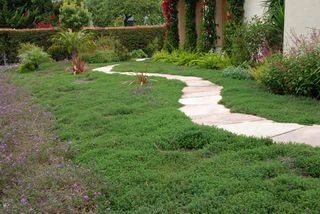
Plant profile picture of a thyme lawn
Things I liked:
Quibbles:
As this book covers a range of topics related to lawn alternatives in great detail, you won't be surprised hear I believe they got a few things wrong.
There are a few other instances, but my quibbles are insignificant compared to the wealth of inspiration and hard data provided by the book. The authors display an astounding level of expertise, and offer a level of detail well beyond the range most gardening books. To see what others say, check out this review on Sunset's Fresh Dirt blog.
Thyme lawn photo courtesy of John Evarts. All other photos courtesy of Saxon Holt.
Note: I did not purchase this book but was given a review copy by the publisher.
I'm lucky enough to live within a few miles of five different farmers markets. Here's a sample of what's available right now.

Continue reading "Wordless Wednesday from the Farmers Market" »
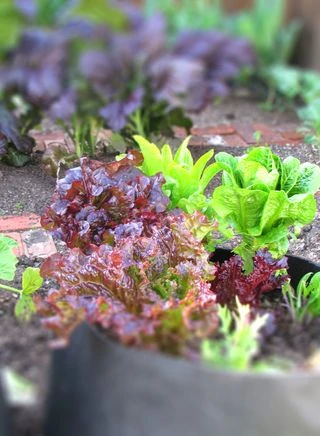
Without question, May is the unofficial month of garden tours. Unfortunately, it’s also one of the busiest times for designers, not to mention a prime month to schedule speaking engagements and book signings. Sadly, I’ll be missing most of the tours this year. Fortunately for me, I recently enjoyed a charming afternoon filled with champagne, food and plenty of garden chat with my friends Maureen and Jean Michel Decombe in their sunny, urban garden. My contribution to the opening of tour season is a mini-tour of what Maureen calls her working garden.
Continue reading "Point Richmond Garden Tour" »